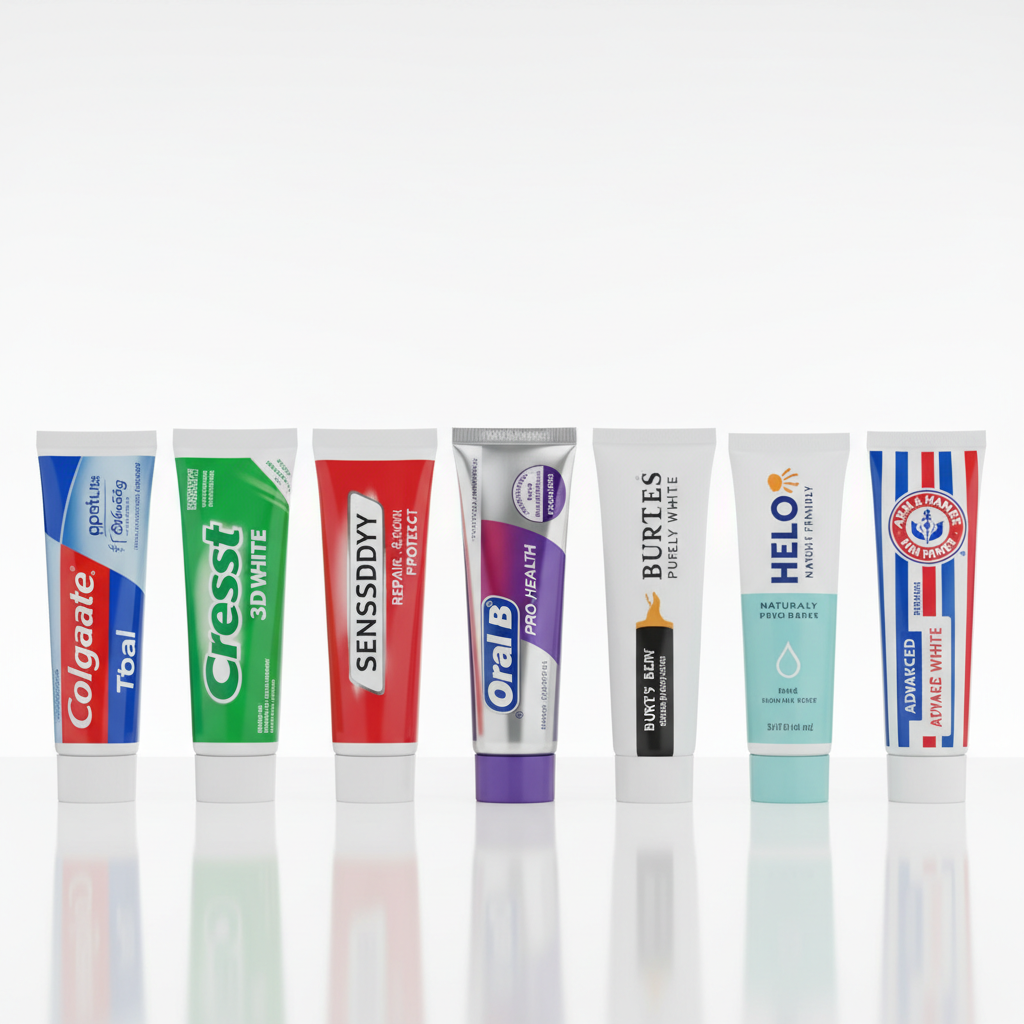
Ch. I
47 reviews
Toothpastes
★★★★★4/5
Latest VerdictSensodyne Pronamel Intensive Enamel Repair
n=12 testers
← Controversial Take
Read the Full Verdict →"The fluoride concentration in most "natural" toothpastes is clinically useless."
Every toothpaste tested for weeks. Every flosser bent until it snaps. Every electric brush timed against plaque disclosing tablets.
Est. 2021
142 products reviewed
23 failed to publish
It started with a cavity I shouldn't have had. I'd been brushing twice a day for thirty years with a toothpaste that ranked "best overall" on every listicle I could find. My hygienist said nothing. My dentist said nothing. The cavity said everything.
So I started keeping a notebook. Not a spreadsheet — a physical, ring-bound notebook with tabs for each product category. I used plaque disclosing tablets before and after every brush. I timed each session. I photographed my gum line weekly. After eight months I had filled three notebooks and tested forty-one toothpastes. My dentist asked what I was doing differently. That felt like enough of a reason to publish.
Molar is that notebook, typed up. Every product gets a minimum four-week trial. Every claim on the packaging gets checked against the research. Every review shows the sample size, the scoring rubric, and — crucially — the products that didn't make it to publish. Because the failures teach more than the winners.
Each card shows the star rating, sample size, and one take we knew would be contested. The full article earns the click.
"The fluoride concentration in most "natural" toothpastes is clinically useless."
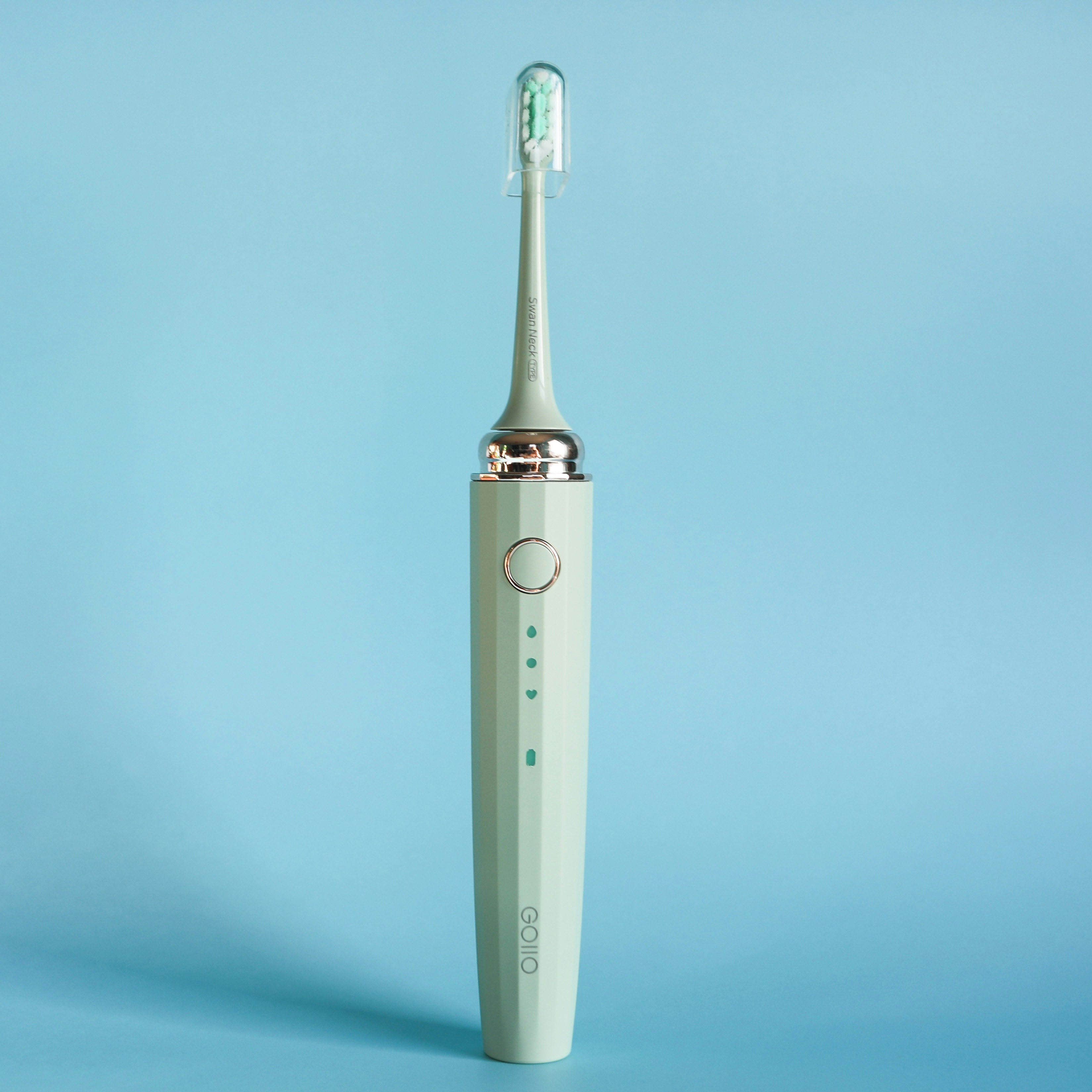
"Sonic brushes clean no better than oscillating — the pressure sensor is the only feature that matters."
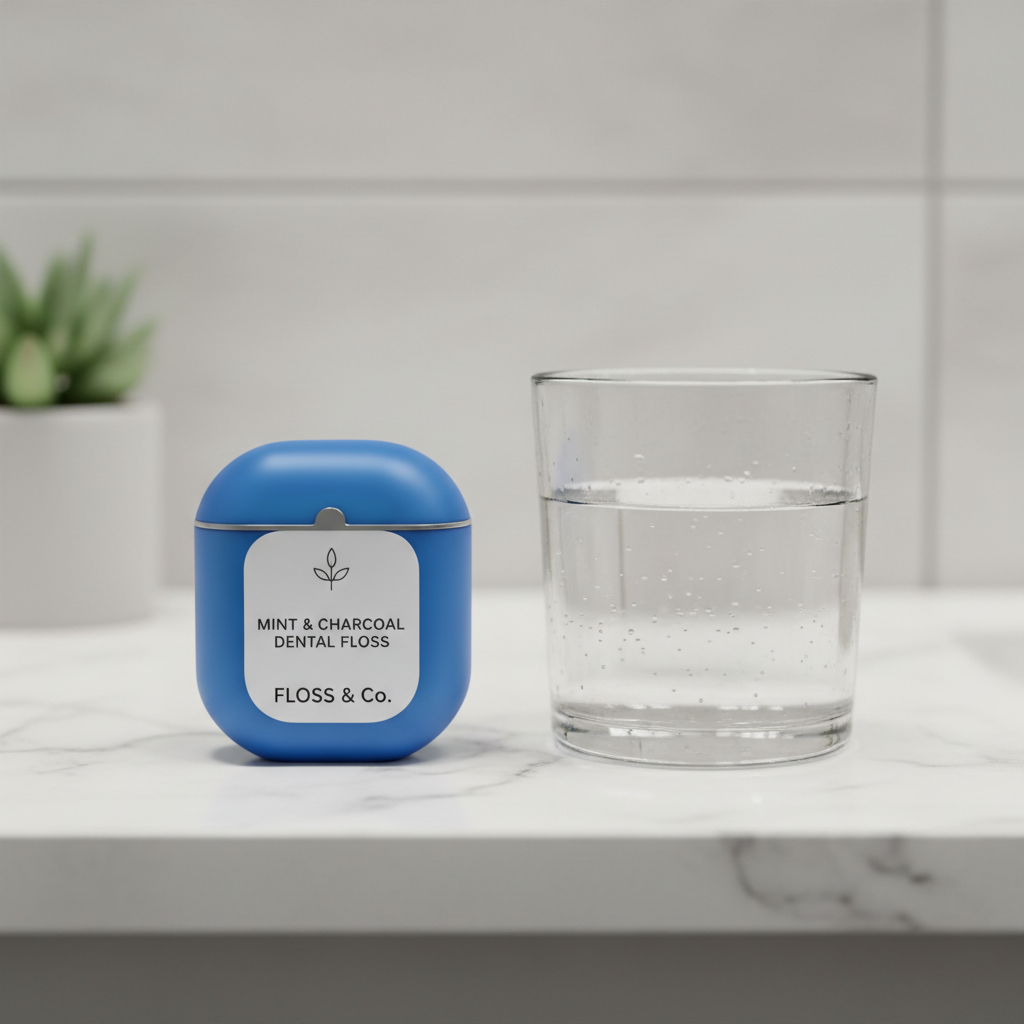
"Water flossers are a supplement, not a replacement. Your hygienist is right."
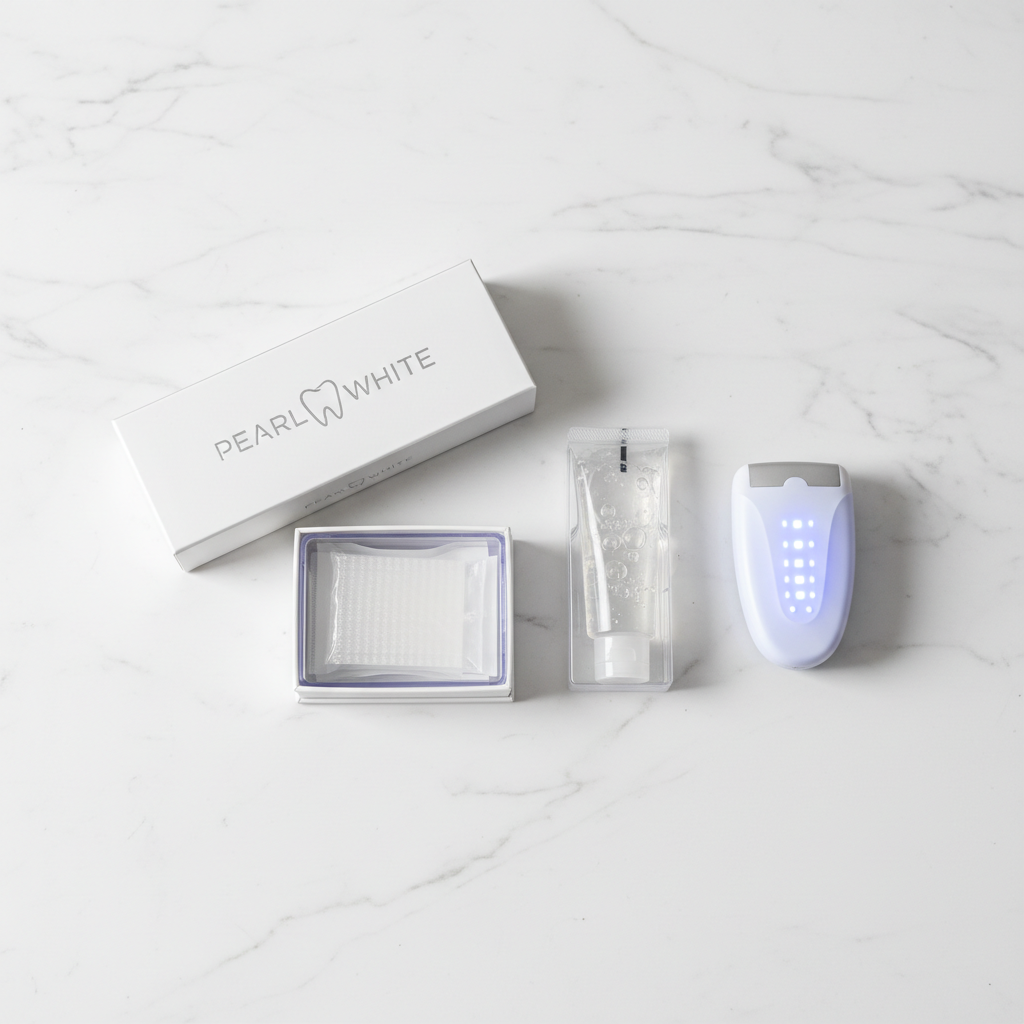
"Charcoal whitening is abrading your enamel. Every dentist knows this. Nobody says it loudly enough."
"The fun flavors are fine. The SLS-free claim is the only thing that matters for kids under 6."
The methodology section is not a disclaimer. It is the most important page on this site. If you disagree with our protocol, email us. We've changed it twice based on reader feedback.
"The scoring rubric has been peer-reviewed by two registered dental hygienists. Their names and credentials are on the About page."
Every product receives a minimum 4-week solo trial, followed by a 2-week cross-tester phase with at least 4 additional testers. We use plaque disclosing tablets (2-tone, red/blue) at weeks 1, 3, and 6 to measure bacterial reduction. Electric brushes are timed using a stopwatch; manual brushes are measured against a 2-minute audio cue. We photograph gum margins weekly under standardized lighting. No product is reviewed from a single-use sample.
Products are scored across five dimensions: Efficacy (plaque reduction, measured), Formulation (ingredient list analysis against current clinical literature), Packaging & Usability (does the dispenser clog? does the brush head fit a standard mouth?), Value (cost-per-use at recommended dosage), and Transparency (are marketing claims supported by the label?). Each dimension scores 0–5. The star rating is the mean across all five, rounded to the nearest half star.
No product is accepted for free in exchange for coverage. All products are purchased at retail price. If a manufacturer sends an unsolicited sample, it is disclosed in the review header and tested alongside a retail-purchased unit. Affiliate links are present on some review pages and are labeled explicitly. The existence of an affiliate relationship has never altered a verdict — and the 23 products that failed to publish include several from brands that offered sponsorship.
A full register of products that did not meet the publication threshold (a mean score below 2.5) is maintained at /failed. These are not "bad" products in every dimension — some scored 4/5 on usability but 0/5 on efficacy claims. The register includes the product name, the scores by dimension, and the specific reason for non-publication. We believe this is more useful to readers than a curated list of winners.
Molar is funded by reader newsletter subscriptions and a small number of clearly-disclosed affiliate commissions. No dental brand has editorial input. No PR firm has advance copy. The Monday Rinse newsletter has never carried a sponsored segment. When a brand contacts us with concerns about a review, we publish the correspondence in full.